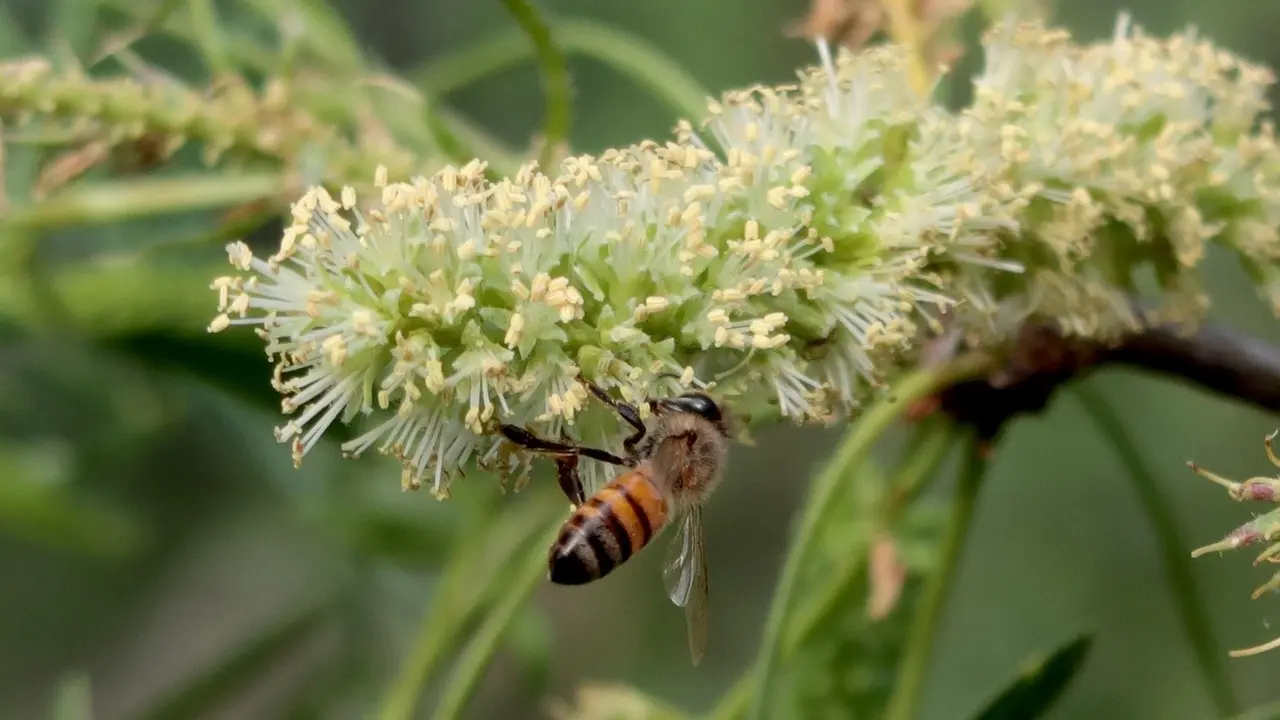
Mesquite, a resilient tree thriving in the harsh landscapes of arid and semiarid regions, offers more than just shade and sturdy wood. Known scientifically as Prosopis glandulosa, this member of the legume family provides an array of edible components, particularly through its seedpods and the resulting mesquite flour. Found across North America, South America, Asia, and Africa, mesquite trees are especially prominent in areas like Arizona, Mexico, California, Utah, New Mexico, Texas, and Kansas. For health-minded individuals seeking sustainable, nutrient-rich foods, mesquite presents a unique opportunity. Let's dive into its history, nutritional benefits, culinary uses, and more, drawing from credible sources to highlight why this plant deserves a spot in your diet.
A Historical Staple for Indigenous Peoples
Mesquite has deep roots in the cultural practices of Native Americans and other indigenous peoples, especially in the Sonoran Desert and broader regions of North America and South America. Archaeological findings, as noted by Texas Beyond History, reveal wood and seeds at sites across Texas, from the Nueces River to the Canadian River Basin. These discoveries underscore its role as a vital food source, often ground into meal or consumed as pods. Ethnographic records highlight its significance, with groups like the Pima Indians calling it the 'tree of life' for its multifaceted uses in food, medicine, and tools. This historical reliance showcases mesquite's importance in sustaining communities in arid regions, a testament to its adaptability and nutritional value.
Nutritional Powerhouse from Arid Lands
For those living in or sourcing from arid and semiarid regions like Arizona and New Mexico, mesquite offers a surprising nutritional profile. According to data from Prosopis glandulosa Honeypod mesquite. Glandular mesquite PFAF Plant Database, the seedpods are rich in carbohydrates and have low moisture content, making them ideal for storage and processing. A comparison in the original article shows mesquite flour contains 64 calories, 2 grams of protein, 14 grams of carbohydrates, 1 gram of fat, and 6 grams of fiber per serving, outperforming white and whole wheat flour in fiber content. This makes it a fantastic option for health-conscious eaters looking to boost their intake of fiber and plant-based foods while maintaining a balanced diet.
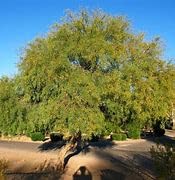
Honey Mesquite Tree Seeds - Prosopis glandulosa - 10 Seeds
10 seeds of the Honey Mesquite tree - Prosopis glandulosa, native to the Sonoran Desert of the southwestern US. The Mesquite is a hearty, drought-tolerant tree commonly used as a landscape tree. Fragrant flowers in spring attract polinators and the pods can be ground into flour. These seeds were harvested near Phoenix, AZ - the trees can be planted in USDA zones 7 to 11.
Native Desert Species: Honey Mesquite (Prosopis glandulosa) seeds harvested near Phoenix, Arizona from trees naturally adapted to the harsh conditions of the Sonoran Desert in the southwestern United States
Drought-Tolerant Landscaping: This hearty tree thrives in arid climates and requires minimal water once established, making it an ideal choice for xeriscaping and water-conscious landscape designs in dry regions
Fragrant Spring Blooms: Produces beautiful, aromatic flowers during spring that attract beneficial pollinators including bees and butterflies, adding both visual appeal and ecological value to your garden
Edible Seed Pods: The tree produces nutritious pods that can be harvested and ground into a sweet, protein-rich flour used in traditional cooking and baking applications
Wide Growing Range: Suitable for planting in USDA hardiness zones 7 through 11, allowing gardeners across warm temperate to tropical regions to successfully cultivate this versatile desert tree
View on AmazonCulinary Versatility with Mesquite Flour
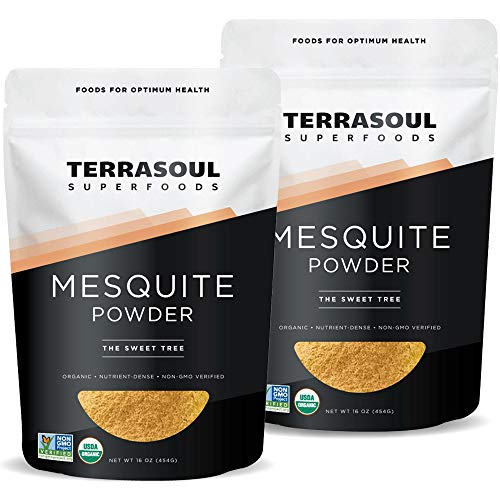
Mesquite flour, derived from the ground seedpods of varieties like honey mesquite, screwbean and velvet are also a gluten-free alternative with a sweet, nutty flavor. As detailed in Current Insights into Phytochemistry, Nutritional, and Pharmacological Properties of Prosopis Plants - PMC, it can be used in bread, cakes, cookies, and even beverages, often mixed with other flours to enhance taste and texture. Traditional recipes from indigenous groups in Texas and Mexico involve fermenting the flour for drinks or forming it into flatcakes, as historical accounts suggest. For modern kitchens, try incorporating mesquite flour into pancakes or muffins for a nutrient boost. Its versatility in cooking and food preparation makes it a valuable addition to any health-focused pantry.
Beyond Food: Wood and Herbal Medicine Uses
The tree's utility extends far beyond its edible offerings. The dense wood of Prosopis glandulosa is prized for crafting furniture and as a flavorful fuel for barbecue, especially in regions like Texas and California. As mentioned in USDA Plants Database, its durability also suits it for construction and fencing. Additionally, mesquite plays a role in herbal medicine among Native Americans, with bark and gum used as astringents for wounds and eye irritations, per insights from Texas Beyond History. Bark extracts have even been explored for dyes and tannins, showcasing the plant's diverse applications across arid regions of North America and beyond.
Mesquite's Health Benefits Backed by Science
Recent studies illuminate mesquite's potential health benefits, particularly with honey mesquite (Prosopis glandulosa). Research from Cardioprotective and anti-hypertensive effects of Prosopis glandulosa in rat models of pre-diabetes - PMC demonstrates that dried, ground pods exhibit cardioprotective and anti-hypertensive effects in rat models, suggesting benefits for managing blood pressure and heart health without impacting body weight. These findings align with traditional uses in regions like the Sonoran Desert, where mesquite has long been a staple. For health-minded readers in Kansas or Utah, integrating mesquite into diets could support cardiovascular wellness, backed by both historical use and modern science.
A Historical Enigma - Mesquite
With its rich history and robust nutritional profile, stands out as a sustainable superfood for those exploring plant-based foods. From its role in the diets of indigenous peoples across North America, South America, Asia, and Africa to its modern applications in mesquite flour recipes, this tree from arid lands like Arizona and Texas offers immense value. Its benefits extend to heart health, as supported by scientific studies, while its wood and medicinal uses add layers of utility. Whether you're baking with mesquite flour or seeking natural health remedies, this versatile plant invites you to tap into its ancient wisdom and modern potential. Why not experiment with a mesquite recipe today and experience its unique flavor and benefits for yourself?